Problem
Thin-wall moulding (wall sections below 1.2 mm) requires very fast injection before the melt freezes, but processors frequently face short shots, flash, warpage and diesel burn marks.
Typical Causes
- 01Insufficient injection speed and pressure to fill thin sections before freeze-off.
- 02Inconsistent dosing from a worn or leaking non-return valve.
- 03Low melt homogeneity and temperature gradients from a general-purpose screw.
- 04Inadequate venting and high shear at restrictive gates.
- 05Long flow paths combined with thin walls amplify pressure loss.
Technical Challenges
- Filling thin sections completely before the melt solidifies.
- Avoiding high-shear burn and surface defects at high speed.
- Holding tight dimensional tolerances across high-cavity tools.
- Maintaining shot-to-shot repeatability at fast cycle times.
Rootier's Technical Solutions
- 01Low-shear, high-speed plasticising screws tuned for uniform melt and fast recovery.
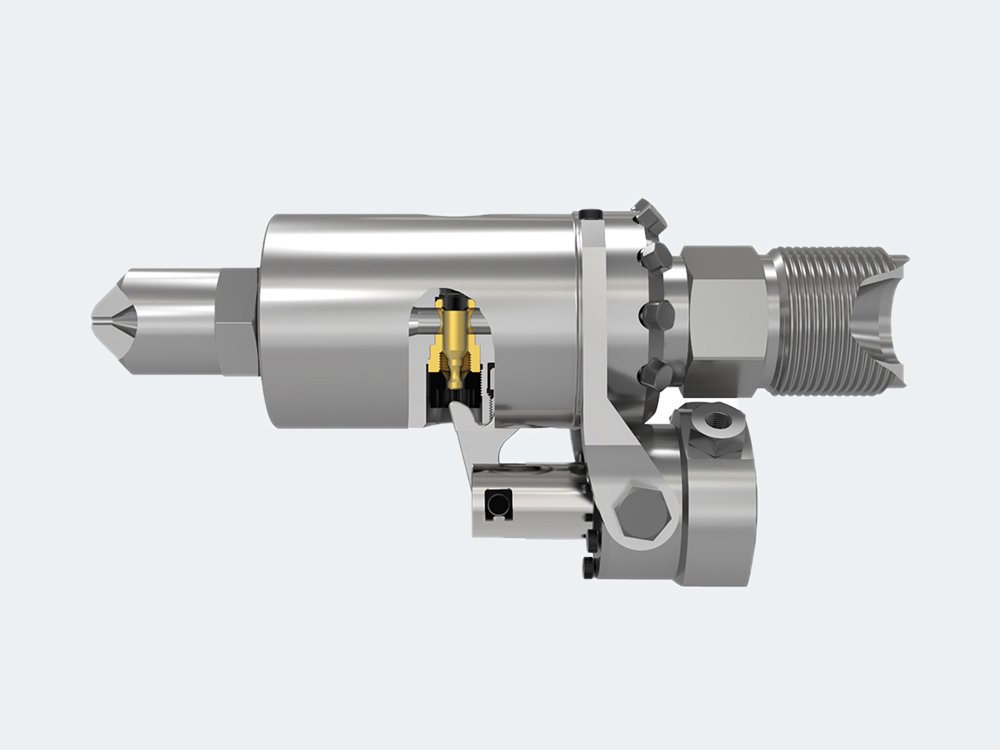
- 02Precision non-return valves that seal positively for repeatable dosing.
- 03Bimetallic barrels that hold bore tolerance over long production runs.
- 04Optimised screw tips and check rings for fast, clean shutoff.
- 05Surface treatments that reduce melt adhesion and improve flow.
Recommended Products
Applications / Materials
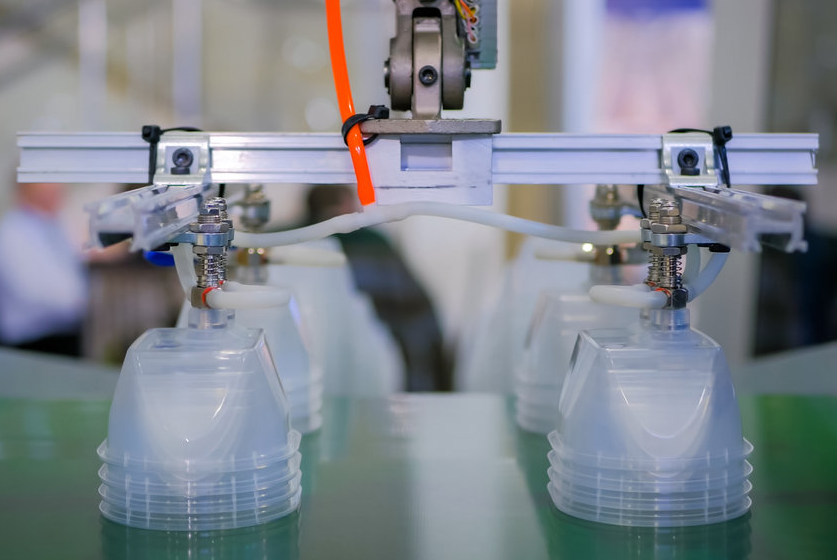
Food and dairy packagingDisposable cups and lidsConsumer electronics housingsMedical and diagnostic devices
Frequently Asked Questions
A low-shear, high-speed plasticising screw paired with a precision non-return valve gives the fast, repeatable dosing needed to fill sub-1.2 mm walls before freeze-off.
Short shots come from inadequate injection speed or leaking non-return valves; burn marks usually come from high shear or poor venting. A wear-resistant barrel and optimised screw tip improve both.
Worn barrels leak melt pressure and reduce dosing accuracy, causing inconsistent shot weights and dimensional variation across high-cavity tools. Bimetallic barrels hold bore tolerance longer.