Problem
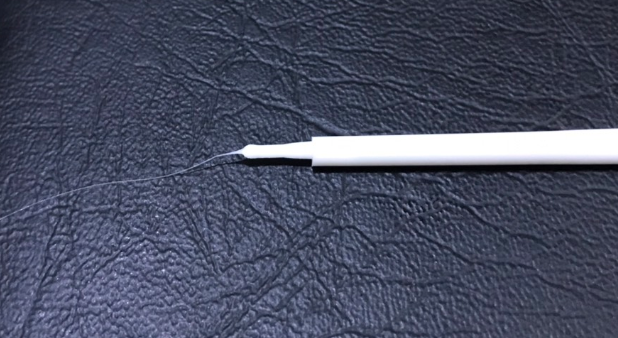
Melt strings between the nozzle and the mould gate after injection, leaving vestige on parts and contaminating the parting line or runner.
Typical Causes
- 01High melt temperature making the resin tacky and stretchy.
- 02Poor or absent nozzle shutoff at the end of injection.
- 03Insufficient decompression after the holding phase.
- 04Long nozzle-to-gate distance and slow mould opening.
- 05Worn nozzle tip that no longer breaks the melt cleanly.
Technical Challenges
- Producing a clean break without freezing the nozzle.
- Preventing drool while stopping stringing.
- Maintaining flow and pressure for the next shot.
- Keeping cycle repeatability across long runs.
Rootier's Technical Solutions
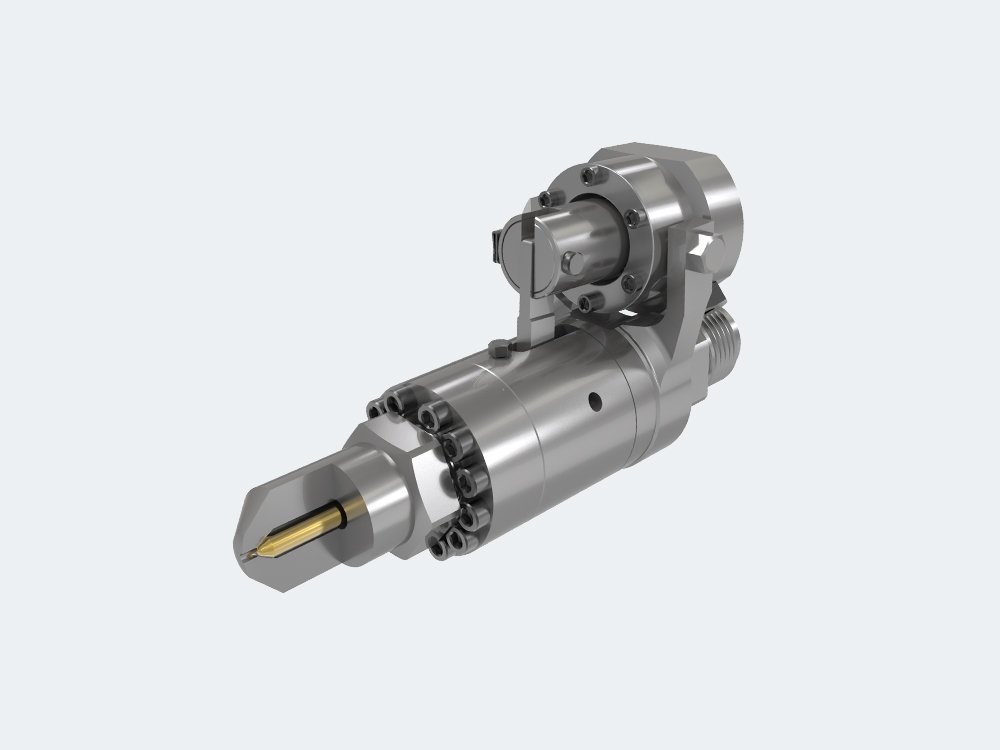
- 01Needle shutoff nozzles for positive, repeatable melt cut-off.
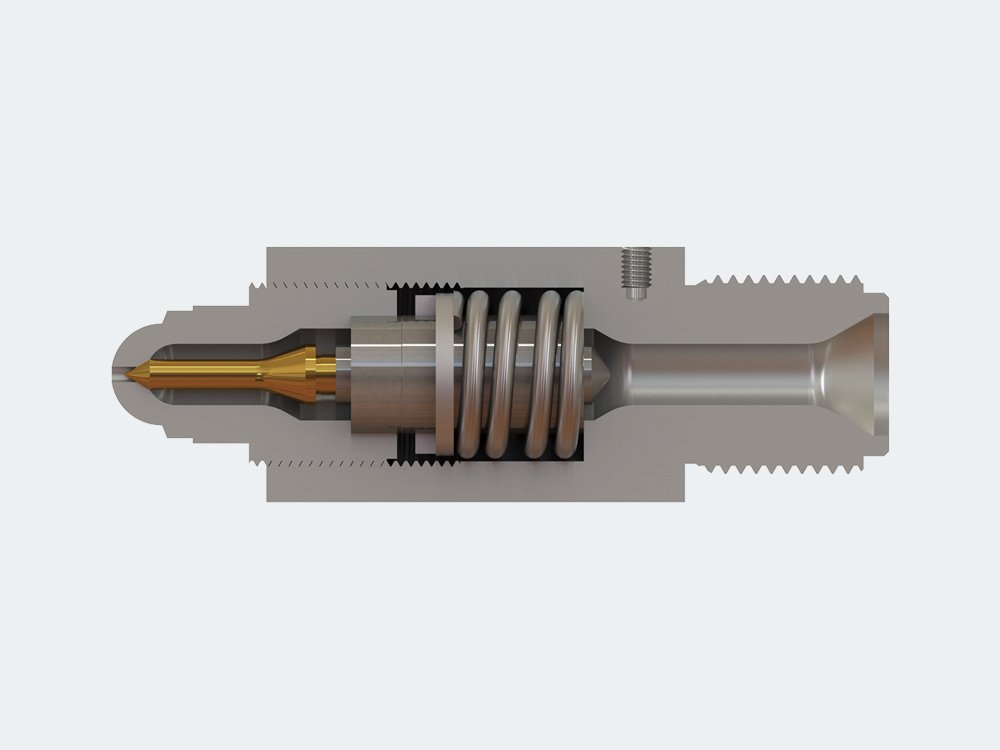
- 02Spring shutoff nozzles for simpler clean-break applications.
- 03Optimised nozzle tip geometry to reduce melt adhesion.
- 04Low-adhesion surface treatments (chrome / PVD) on contact areas.
- 05Process guidance on decompression and temperature to support the break.
Recommended Products
Applications / Materials
Packaging and closuresMedical and pharmaceutical partsConsumer goodsMulti-cavity and hot-runner moulds
Frequently Asked Questions
A needle or spring shutoff nozzle gives a clean melt cut-off. Combined with the right nozzle tip geometry, low-adhesion surface treatment and correct decompression, stringing is largely eliminated.
Drooling is melt leaking from the nozzle during mould open; stringing is a melt thread stretching between nozzle and gate. Both are solved by positive shutoff, but stringing also depends on melt temperature and break geometry.
A tip designed to reduce melt adhesion, paired with a chrome or PVD surface treatment, helps the melt break cleanly. ROOTIER can machine tips to your gate and process requirements.