Problem
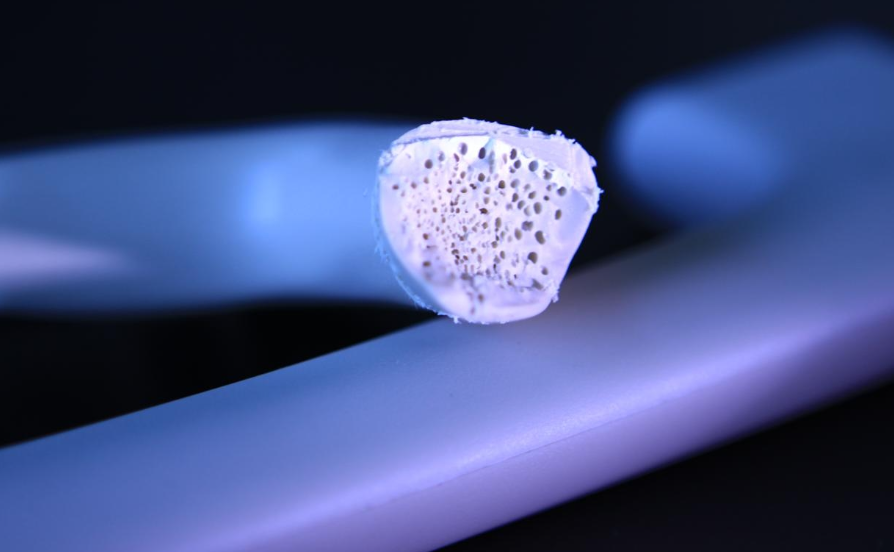
Microcellular (MuCell) foaming injects supercritical N₂ or CO₂ into the melt to produce a fine cell structure, but processors struggle with inconsistent cells, surface swirl and dimensional instability.
Typical Causes
- 01Poor gas dissolution from inadequate mixing or short L/D.
- 02Pressure drops and gas leakage through worn non-return valves.
- 03Inconsistent dosing breaks the single-phase gas/polymer solution.
- 04Worn screw flights reduce mixing efficiency and gas dispersion.
- 05Inadequate shutoff lets gas escape before injection.
Technical Challenges
- Forming a uniform single-phase gas/polymer solution.
- Producing consistent, fine cell nucleation across the part.
- Controlling surface swirl and cosmetic finish.
- Balancing weight reduction against mechanical strength.
Rootier's Technical Solutions
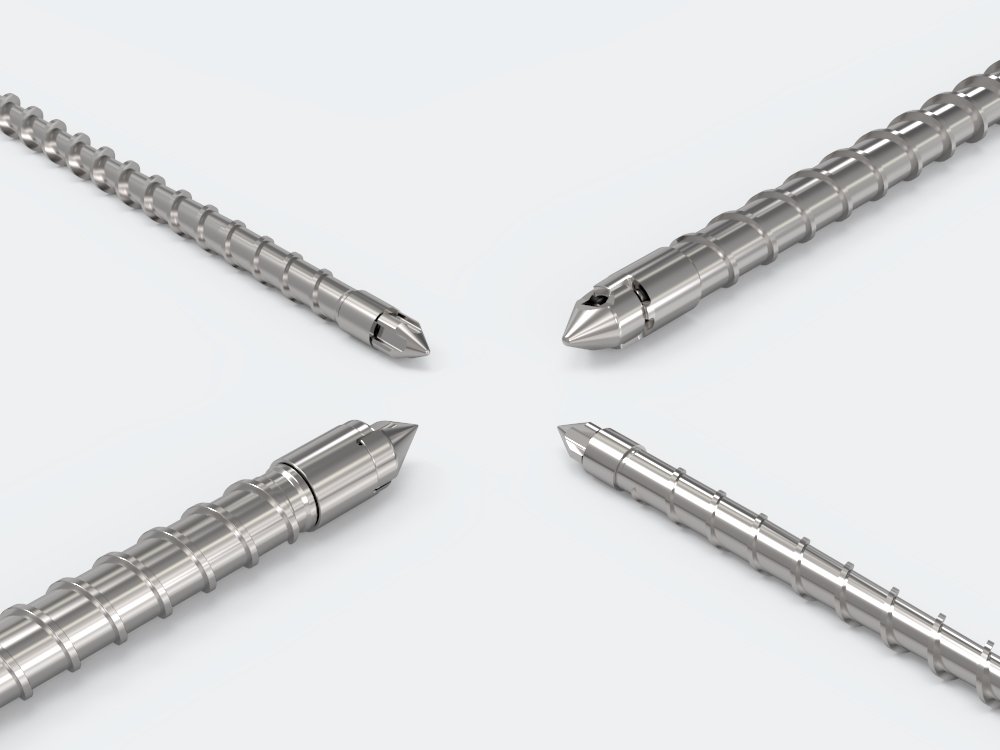
- 01Specialised barrier-mixing screws engineered for gas dissolution.
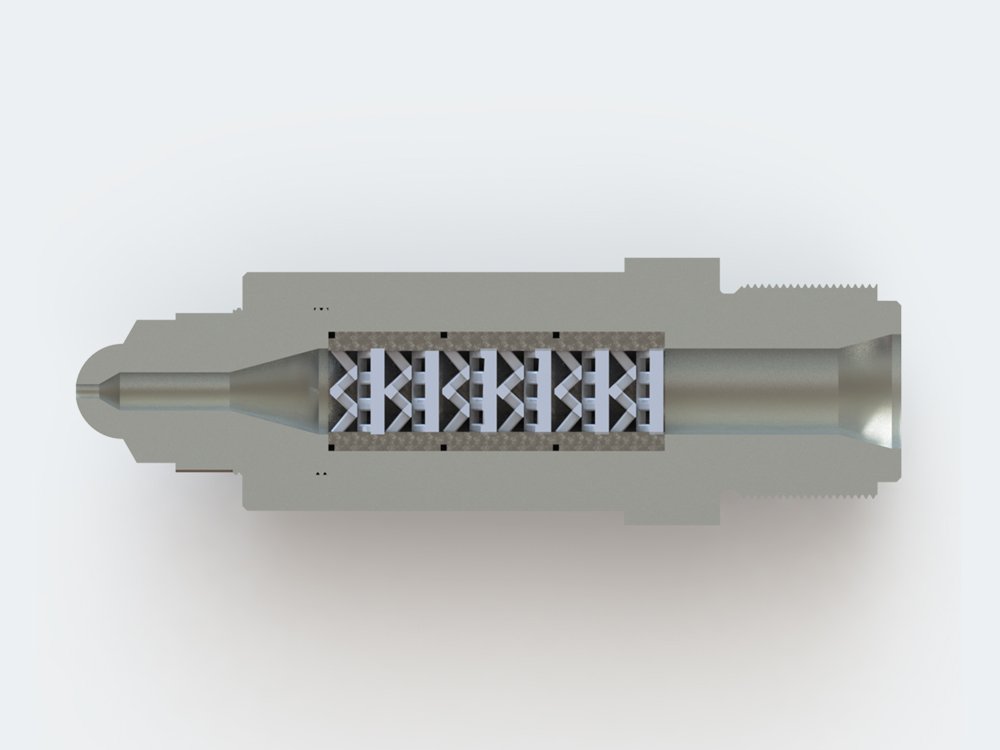
- 02Precision non-return valves that hold pressure and prevent gas leakage.
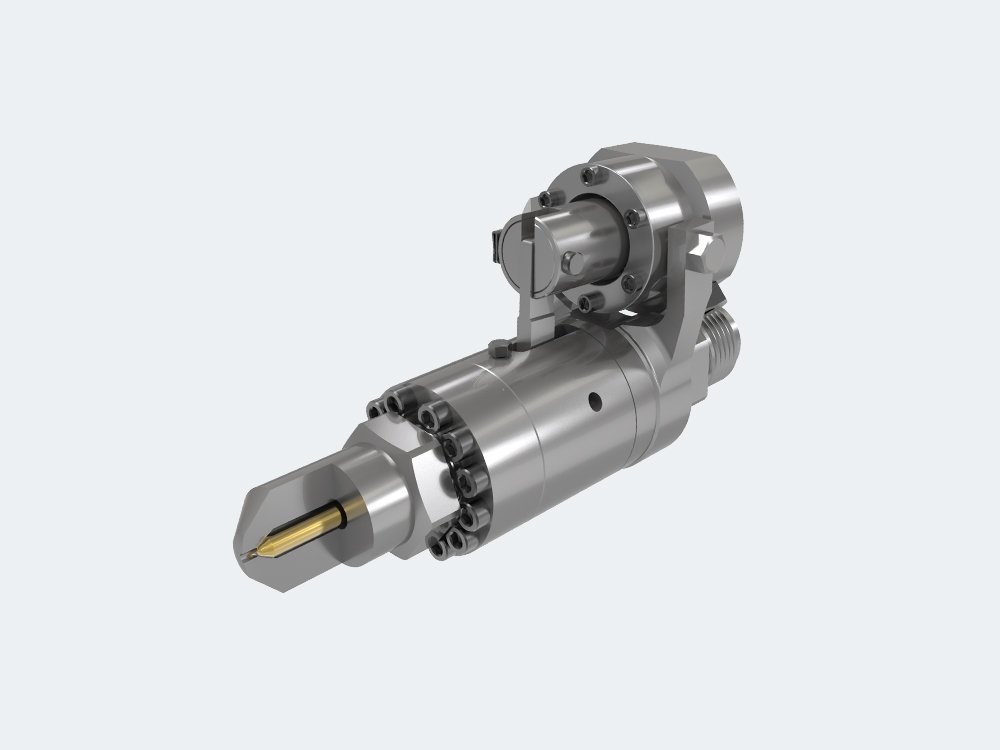
- 03Needle shutoff nozzles for positive gas sealing before injection.
- 04Optimised L/D and compression for a stable single-phase solution.
- 05Surface treatments that reduce shear and improve melt uniformity.
Recommended Products
Applications / Materials
Frequently Asked Questions
A specialised barrier-mixing screw engineered for gas dissolution, combined with a precision non-return valve that holds pressure and a needle shutoff nozzle that seals the gas before injection.
Inconsistent cells usually come from poor gas dissolution, pressure drops through a worn non-return valve, or gas leakage at the nozzle. A stable single-phase solution requires tight sealing and uniform mixing.
Controlled shear, uniform gas dispersion and a stable pressure drop at injection reduce swirl. ROOTIER tunes screw geometry, L/D and surface treatment to the resin and gas system.