Problem
Liquid silicone rubber (LSR) moulding fights flash from its very low viscosity, inconsistent curing, contamination risk and wear from the silica filler.
Typical Causes
- 01Very low LSR viscosity flashes easily into parting lines and vents.
- 02Abrasive silica filler wears screw flights and barrel bore.
- 03Cold-runner and hot-runner balance issues cause uneven filling and curing.
- 04Inadequate nozzle shutoff lets material leak between shots.
- 05Platinum catalyst sensitivity to contamination and shear history.
Technical Challenges
- Controlling flash without restricting flow.
- Achieving consistent, complete curing across the part.
- Avoiding contamination that poisons the platinum catalyst.
- Precision dosing of the two-component LSR mix.
- Resisting wear from the silica filler.
Rootier's Technical Solutions
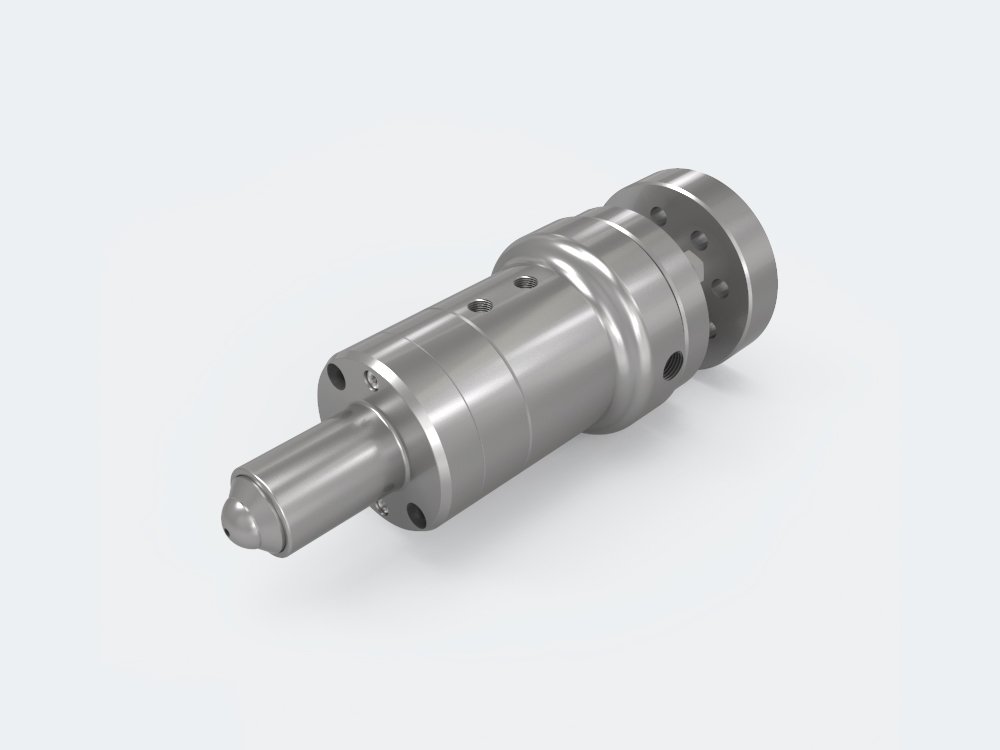
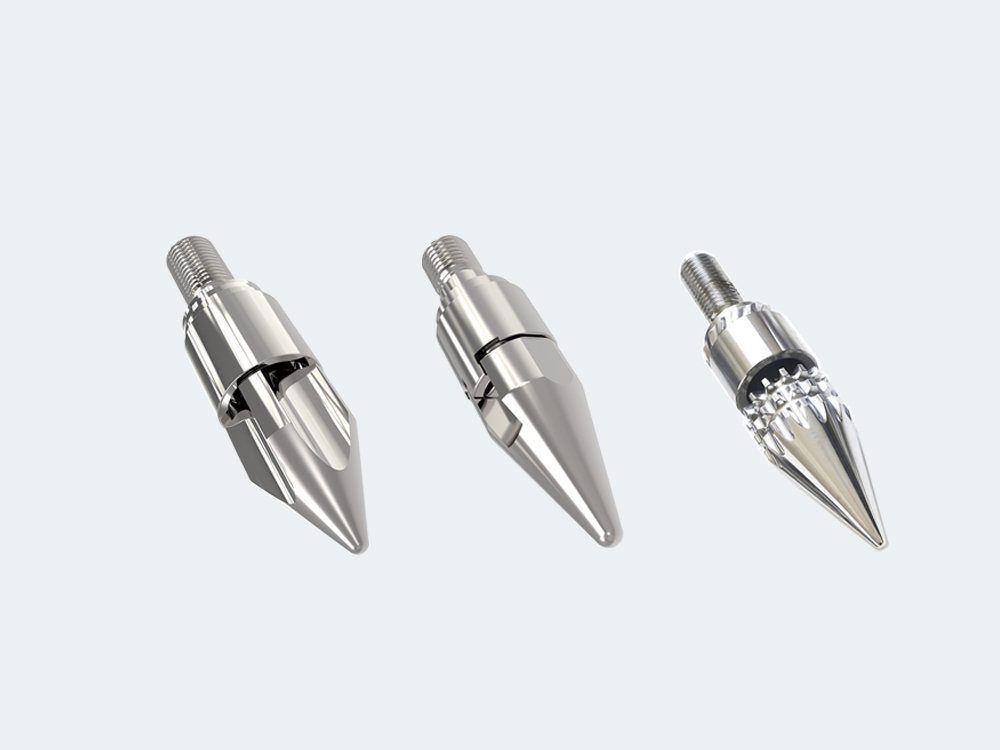
- 01LSR shutoff nozzles engineered for clean, positive sealing of low-viscosity silicone.
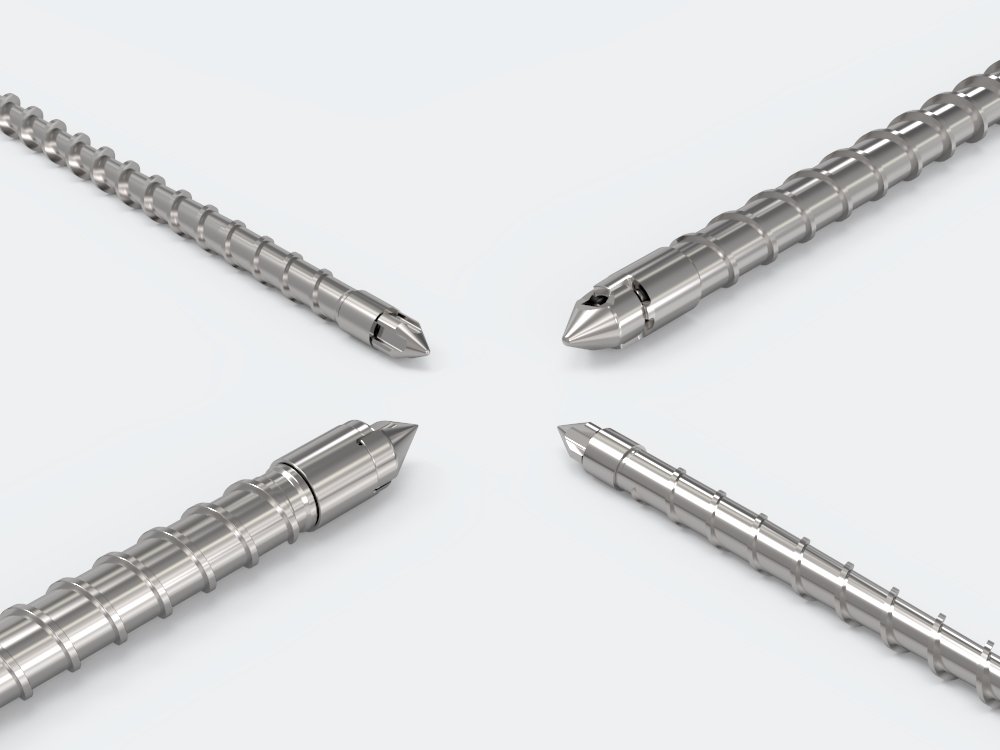
- 02Specialised, low-shear screws for gentle, uniform LSR plasticising.
- 03Smooth, polished / electropolished surfaces (Ra < 0.2 µm) to prevent adhesion and contamination.
- 04Precision non-return valves for repeatable two-component dosing.
- 05Needle shutoff options for cold-runner and hot-runner LSR systems.
Recommended Products
Applications / Materials
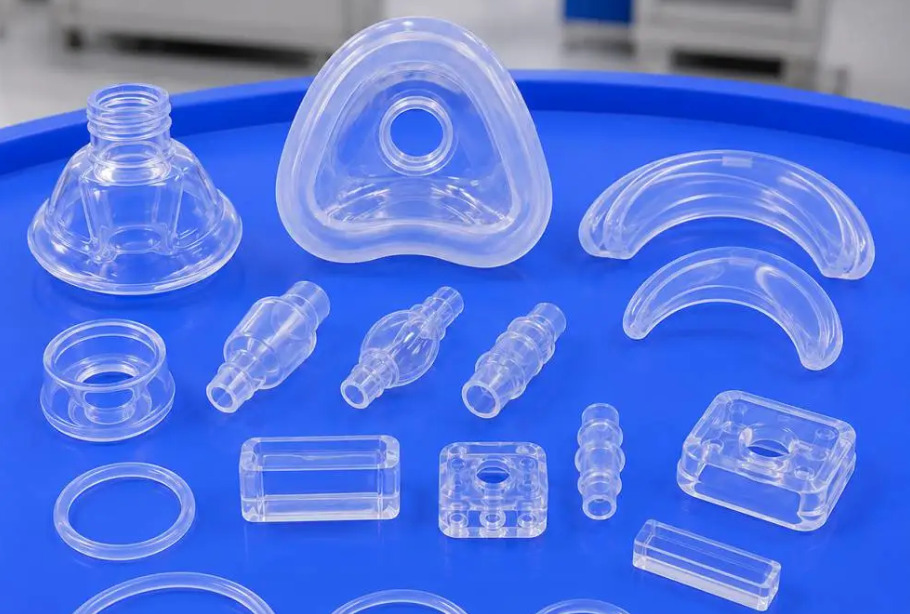
Medical devices and componentsBaby care and feeding productsElectronics sealing and gasketsAutomotive sealing parts
Frequently Asked Questions
An LSR shutoff nozzle engineered for clean, positive sealing of low-viscosity silicone. Needle shutoff options are also available for cold-runner and hot-runner LSR systems.
LSR’s very low viscosity flashes easily. A positive shutoff nozzle, precise dosing with a precision non-return valve, and smooth, polished contact surfaces help control flash.
Smooth, electropolished surfaces (Ra < 0.2 µm) prevent silicone adhesion and contamination that can poison the platinum catalyst. ROOTIER applies appropriate polishing and surface treatments.