Problem
Glass-fiber reinforced compounds rapidly wear screw flights and barrel bore, while high shear breaks fibers and reduces the mechanical properties of the finished part.
Typical Causes
- 01Hard glass fibers (Mohs ~7) abrade screw flights and barrel bore like cutting tools.
- 02High filler loadings accelerate wear and reduce service life.
- 03Aggressive shear and high compression break fibers and weaken parts.
- 04Worn surfaces increase clearance, worsening shear and wear in a vicious cycle.
- 05Inconsistent dispersion leaves fiber clumps and property variation.
Technical Challenges
- Resisting abrasive wear over long production campaigns.
- Preserving fiber length for mechanical performance.
- Achieving consistent fiber dispersion.
- Maintaining part properties shot to shot.
Rootier's Technical Solutions
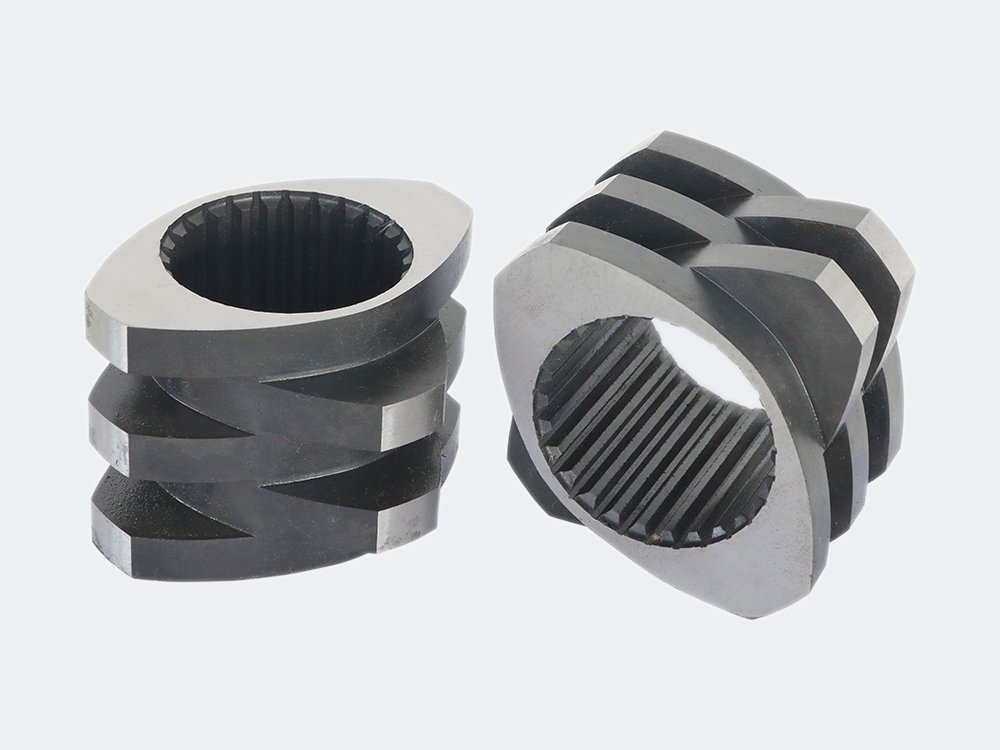
- 01Bimetallic barrels with wear-resistant liners for GF compounds.
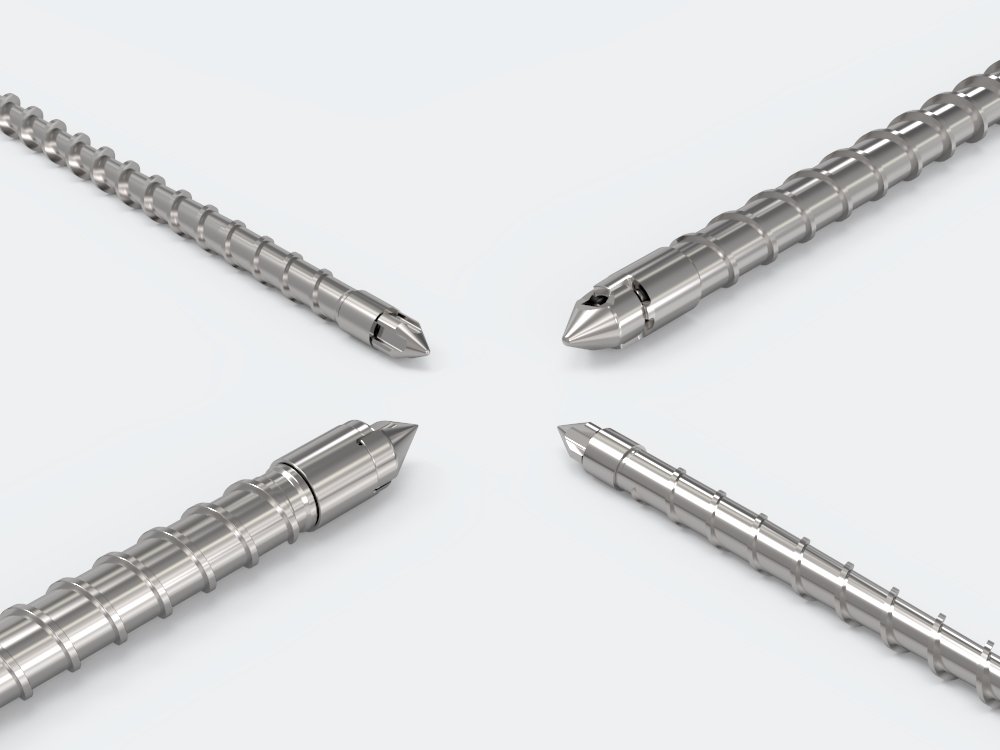
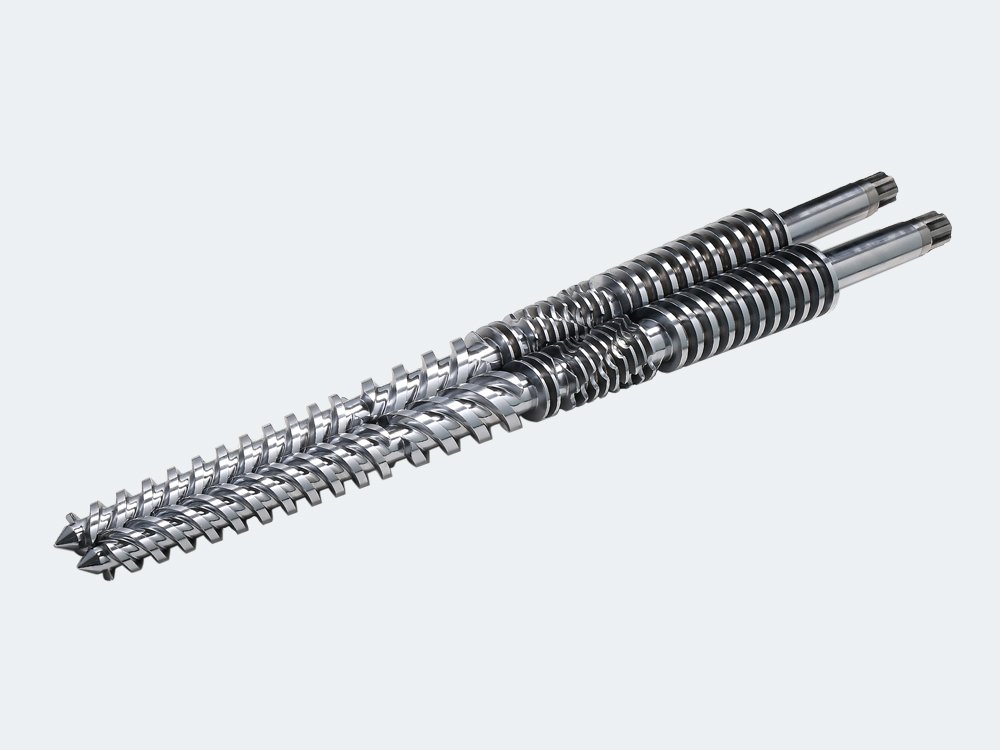
- 02Wear-clad screws (HVOF / tungsten carbide / D2 / SKH55) on flights.
- 03Low-shear, optimised geometry that minimizes fiber breakage.
- 04Hardened materials (V10, M390) for high-filler applications.
- 05Compression and metering tuned to the fiber loading and resin.
Recommended Products
Applications / Materials
Automotive structural and under-hood partsElectronics and appliance housingsIndustrial and mechanical componentsHigh-strength consumer goods
Frequently Asked Questions
Glass fibers (Mohs ~7) act like cutting tools under high shear and temperature, rapidly eroding screw flights and barrel bore. Bimetallic barrels and HVOF / tungsten carbide wear-clad screws resist this abrasion.
Use a low-shear, optimised screw geometry with controlled compression to minimize fiber breakage, preserving the mechanical properties of the finished part.
Bimetallic barrels and wear-clad screws (D2, SKH55, V10, M390 or HVOF tungsten carbide) are recommended. ROOTIER selects material and surface treatment based on fiber loading and resin.