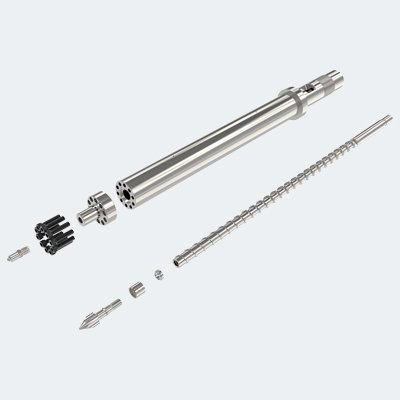
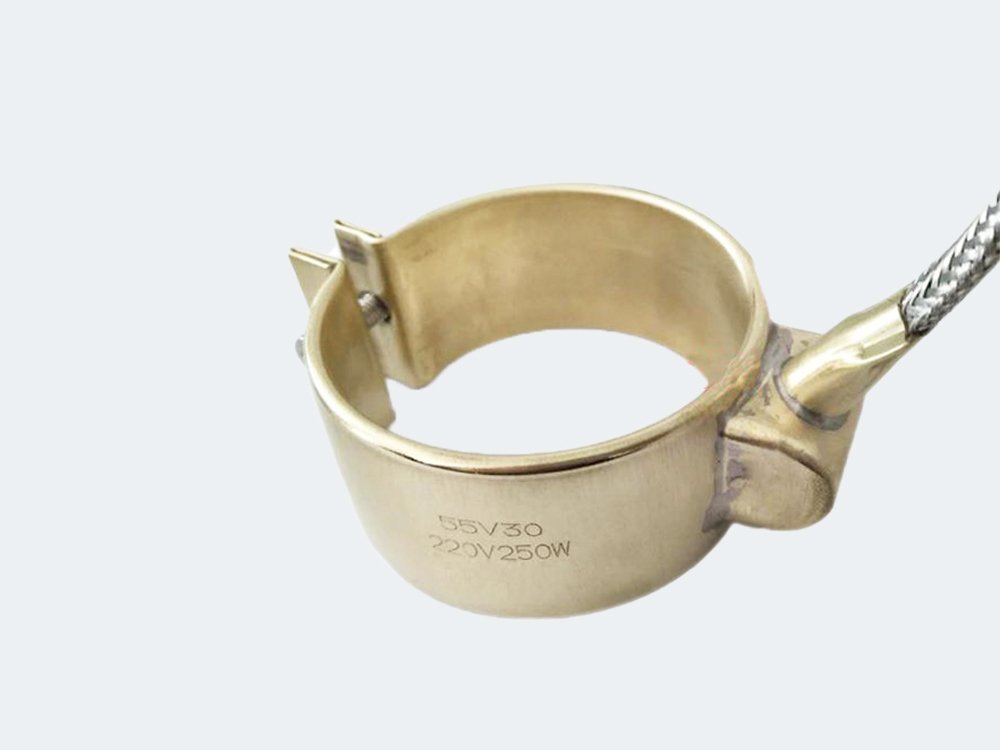
Injection Heater
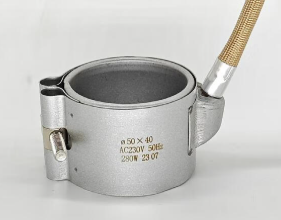
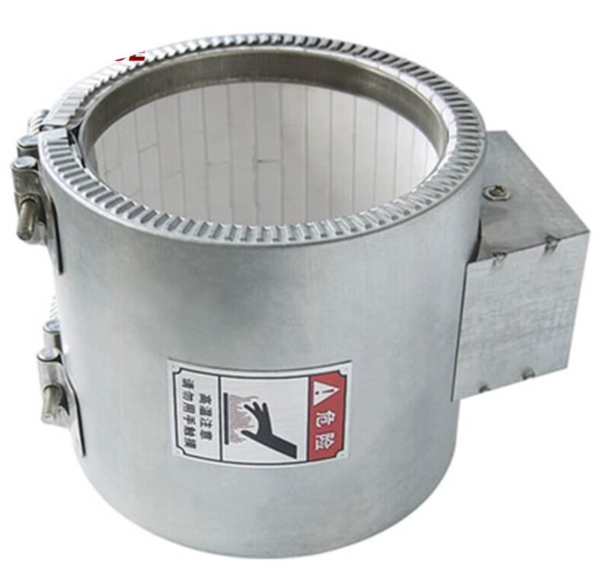
Injection heaters include mica, ceramic, copper and infrared types matched to barrel zones, voltage and operating temperature. With high power capacity for faster cycle times and energy savings up to 35%, quality materials guarantee longer service time across injection and extrusion applications.
Technical data
| Name | Heater |
|---|---|
| Application | Injection, Extrusion |
| Type | Mica, Ceramic, Copper, Aluminium, Spring Coil |
| Manufacturing | Drawing or Sample Based |
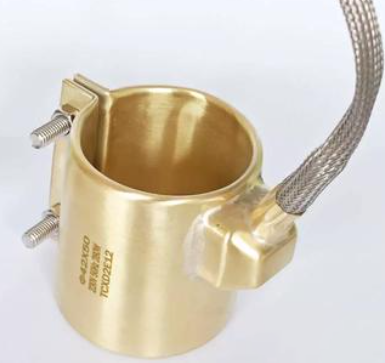
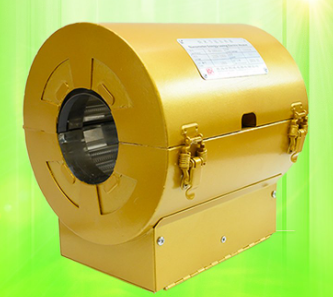
| Type | Mica | Ceramic | Copper | IR |
|---|---|---|---|---|
| Heating Element | FeCrAl | FeCrAl | NiCr2080 | NiCr2080 |
| Voltage | 12V-380V | 12V-380V | 12V-380V | 12V-380V |
| Max Power | 3w/cm² | 5w/cm² | 6w/cm² | 6w/cm² |
| Max Temperature | 350° | 700° | 600° | 500° |
| Energy Saving | 0% | 10% | 20% | 35% |
| Resistance | >1.5MΩ | >2MΩ | >2MΩ | >2MΩ |
| Deviation | ±10% | ±5% | ±5% | ±3% |
Engineering highlights
- Save upto 35% energy efficiency
- High power capacity for faster cycle time
- Quality material to guarantee longer service time
Frequently Asked Questions
Injection heaters provide controlled thermal energy to the barrel and other heated components so that polymer can be maintained within the required processing temperature range.
Uneven or insufficient heating can cause unstable melt temperature, incomplete plasticization, inconsistent viscosity, and variations in molding quality.
The heater should be selected according to barrel dimensions, heating zone, voltage, power rating, temperature requirements, and machine configuration.
Yes. ROOTIER can supply heaters according to the required dimensions, electrical specifications, heating zones, and machine requirements.